In This Episode
- 0:01 Introduction to the Engine Build
- 3:01 Sealing the Front End of the Engine
- 6:00 Installing the Oil Pump and Pan
- 7:00 Installing Lifters and Rocker Arms
- 7:24 Introduction to Multi-Engine Pulling Tractor
- 12:40 Discussion on Tractor Pulling and Equipment
- 14:00 Finalizing the Engine Setup
- 16:00 Starting the Engine and Initial Dyno Testing
Video Transcript
[Pat] You're watching Powernation!
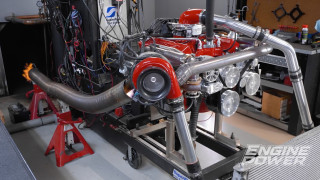
[Pat] Engine Power is back on our 509 cubic W-series build and today we're getting this engine sealed up and wrapped up to head to the dyno. [Frankie] We've got a lot to finish up including the modified oiling system, ported induction package, and a sweet efi kit before we can throw the handle and see what kind of numbers this vintage looking power plant can produce. [ Music ]
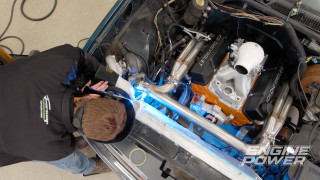
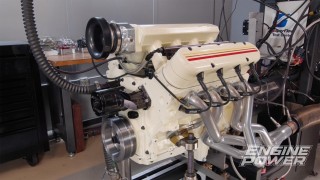
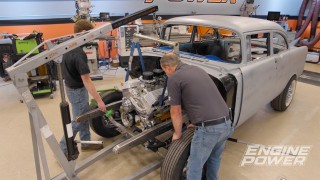
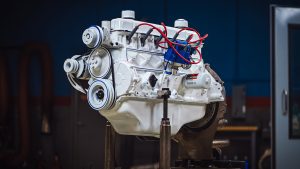
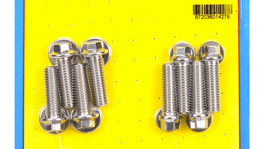
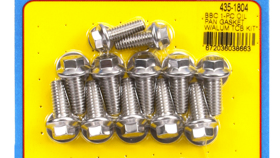
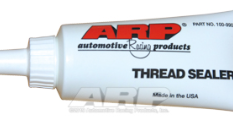
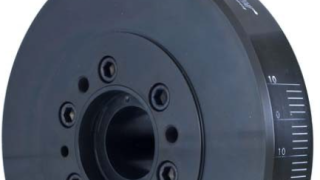
Hey everyone, welcome to another awesome episode of Engine Power because today we are back on our 509 cubic inch W-series engine. This is an all aluminum hot rod engine that we are building and we're right in the middle of this. It's going extremely well. We have the short block done but today we're gonna get this wrapped up with a bunch of cool parts and get it on the dyno. [Pat] We have a lot of cool stuff to put on this thing. We have induction, ignition, efi, all kinds of good things. We're gonna get it all in, wrapped up, and tested on the dyno. But first we have a lot of work to do and to see how we got it to this part right here check this out. The base of this build is a Bill Mitchell Products all aluminum W-series block, which has improved architecture, uses a host of standard big block Chevy parts, and was bored for a 4-500 final bore size by Shacklett Automotive Machine here in Nashville. After doing some simple and easy block prep and deburring we set the main and rod bearing clearances for our application with high performance bearings and then moved on to balancing the rotating assembly on our CWT Multi-Bal 5500. [Frankie] Because of the larger bob weight we switched the engine to external balance, and using a cutoff wheel and grinder we were able to get our rotating assembly down to an extremely low imbalance tolerance without drilling any holes. After final cleaning everything we started assembly with a four inch stroke Scat crankshaft. Our custom ground billet 4-7 swap Comp hydraulic roller camshaft went in next with durations at 50 thousandths lift of 237 on the intake and 255 on the exhaust, while the lobes are set on a 114 degree lobe separation angle and the valve lift is 672 and 678, respectively. The camshaft's intake centerline was set seven and a half degrees advanced at 106.5 and then the Scat H-beam rods, Racetech pistons, and Total Seal rings were assembled and installed to round out part one. [Pat] Today we are starting out by sealing up the front end. So a gasket and some rtv make its way to the Summit Racing polished big block Chevy timing cover. We'll also install a Summit billet adjustable timing pointer for our eight inch damper so we can accurately set true tdc with our timing marks. We're in a good spot. We have the front end of the engine all sewed up. So now it's time to put on the harmonic balancer and set our true tdc. We are gonna be using a new eight inch Fluidampr. What we love about Fluidampr is the technology they put into canceling vibration. This contains a viscous fluid and that cancels out a wider range of harmonics that are potentially damaging to the engine. Elastomer balancers work the same way but that elastomer has to be rebuilt at some point. If this still has fluid in it and sealed up it is still working. This one is for our external assembly. The hub comes off and we balanced it with the crank. Fluidampr also does a great job at setting its press. These are a little over a thousandths pressed. Too much it's hard to get on. Too little it's not gonna do its job. So we're gonna get this thing on and get it set up. Always install a harmonic damper with the proper installation tool. Not a hammer or heat. If the press is set correctly the damper should go on smoothly with the right tool and can be bottomed out against the crank gear. Then we can use a deck bridge with a dial indicator to set up true tdc between our pointer and the damper for accurate ignition timing adjustments. [Frankie] With the engine flipped over we can drop on a Melling high volume oil pump with a shimmed release spring along with a Milodon pick up. An ARP stud secures it and is torqued to 65 pound feet. Beads of rtv are placed at the corners of the pan rails and the parting lines between the parts before a Summit Racing one piece oil pan gasket is laid into place. The pump pickup matches this Milodon big block Chevy oil pan for Chevy passenger cars and it can go right on since we already verified pickup to pan clearance. It is tightened down to the compression stops with an ARP stainless steel oil pan bolt set. [Pat] Now that the bottom end is sealed up we can splash some assembly oil onto the lifter bores and then these LS tie bar Evolution lifters from Comp Cams can slide in. These are a cartridge style hydraulic roller lifter for tighter tolerances and this block is designed to use the LS style lifters for proper spacing and oil band clearance. You can install these lifters after the head but we thought it would be easier if they went in first. These custom made head gaskets from Cometic are WSeries specific and have a 4-520 bore with a tight 27 thousandths compressed thickness and they are a multi-layer steel design for improved sealing. [Frankie] The heads are Edelbrock aluminum castings from Summit Racing Equipment, which are already a huge improvement over the stock ones but for this big displacement build we decided we needed more. So we reached out to the 409 experts, Lamar Walden Automotive, and put them through their porting service that ups the intake flow around 70 cfm. Perfect for high performance builds like this one. The ARP head studs that clamp them down are torqued in three stages from the inside out to 80 pound feet. If you notice we removed the rocker studs when installing the heads and the rocker studs that were supplied with the heads we noticed were a bit short on thread engagement with the polylock when we were checking for push rod length. So we have a brand new set from ARP. These are their Pro Series rocker studs. So they are made from 8740 chromoloy material. These have a tensile strength of around 190,000 psi. An extremely strong fastener. They have the correct effective length at two inch 100 thousandths, and they even have a cool feature that ARP designed where they have a large radius right above the hex. That helps improve the strength of the fastener and reduce deflection because we don't want that being introduced into the valvetrain. If you were gonna install these where the threads go into the intake port you want to make sure you use their thread sealer on the coarse threads but in our application we have blind holes completely. So we're gonna use their ARP Ultra Torque Fastener Assembly Lubricant. Get these prepped and get them installed with our guide plate. [Pat] The rocker studs are threaded into the head with the guide plates in place. Then after setting the plate's position to center up the rocker tips on the valve stems the studs are snugged down and then torqued to ARP spec of 45 pound feet. The push rods are a three-eighths design from Trick Flow and are specific lengths for proper rocker arm geometry with the intakes at 8-250 long and the exhaust being 8-600 long. The rockers are a set of Comp Cams' big block Chevy Pro Magnum 1.7 ratio steel rockers and the lifter pre-load is set to one half turn past zero lash on the polylocks. They're installed on each cylinder at tdc and following firing order, which is 1-8-7-3-6-5-4-2 with our cam. We are all about horsepower. So next up we take a deep dive into one of the most powerful motorsports vehicles there is, a multi-engine pulling tractor. [Frankie] Steve Bunnage brings his super modified tractor in so we can check out how four engines, 2,100 cubic inches, and 10,000 horsepower comes together and heads down the track.
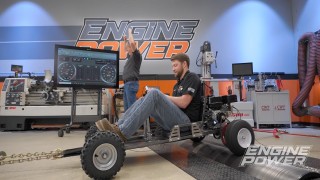
[Pat] What is better than one 526 inch alcohol blown Hemi? Four of them! [Frankie] We're talking about thousands of horsepower. [Pat] Steve, Pat Topolinski. [Frankie] Thanks for coming in Steve. [Steve] Thank you for having me. [ engines revving ] [Frankie] We've wanted to get one of these in the shop for I don't know how long. [Pat] We've been trying to do this for a long time and we're so happy you got this thing squeezed in here. We can't wait to hear about it. [Steve] It was a tight fit but I'm glad to get it down here with Hot Shot's Secret. They asked me to come down to help them out and I'm pleased to do it. [Pat] Tell us a little bit about the legacy. You've been involved in tractor pulling a long time. Tell us a little bit about that. [Steve] My dad started back in the '70s. It's been 50-something years. He started out with two motors and at the very last, on the front of my tractor there, he built one with eight carburetor motors on it. [Pat] That is the coolest picture I've seen on a tractor ever. These are alcohol blown Hemis, 526 inches. Tell us all about them and why you have four. [Steve] The four is because of the class. You can run four with 871 blowers on it or you can put bigger chargers on it in the class I run. Or if you can make weight you can put five. They motors are Sassy's SRE racing motors from John Card and SSI superchargers. It's on a new chassis. This is the tenth edition of It Takes a Lickin'. Tim Ingler built this chassis. He built the gearboxes, and then we built this one here in 2023. [Frankie] I know you're in town for an event here in Tennessee, in Chapel Hill. What classes do you run with this tractor? [Steve] Mostly this is a modified because of the 871 blowers. I usually run in the Grand National Mod class or the Hot Shot Secret Pro Pulling League with four motors. You can run four motors with 8s or you run three with 14s. This weekend is the NTP Unlimited class and you can run whatever you can make weight. You can run screws. You can run five motors. Whatever you can put in it as long as you weigh under 8,000 pounds. You can't go over 8. It's competitive. I won't dominate because I'm low on horsepower but sometimes the track's in my favor too. I can always sneak up and get half class maybe. [Pat] Low horsepower's kind of a relative number because how much power do one of these make a piece? [Steve] One of these is making 2,500 a piece. 10,000 total. The ones that have the bigger chargers on it they'll make 12,000 or more than that. Sometimes it's not all horsepower, it's gear ratio and tires that hook to the track. [Frankie] What size are these tires? What's the actual dimensions on them and where the heck do you get them? [Steve] They started out a long time ago just Ag tires with big long lugs on them and cut them down. Nowadays a company like Mitas actually makes them for pulling. They are a chevron cut. They've got no tread on them and you can cut any tread you want. They're a 30.5 tire and they make them not just for this but for other classes too. [Frankie] The wheel speed on something like this when you're trying to make a pull and going down might not be moving relatively that fast but the wheel speed on these things is crazy. [Steve] If you have a good run you're probably running 30 to 35 miles an hour mid track but the tires are spinning 150. [Frankie] That's a lot of speed for you to be less than a foot from them. [Steve] That's why you've got all that protection on there. Hope everything stays where it's supposed to be. [Frankie] You guys are at the extreme of horsepower levels, loads, and things like that. So that partnership with Hot Shots is probably critical to make sure your stuff is living and you can run it 25 passes a year or more. [Steve] Yeah, they're good with us. When I got them I talked to them. They're good stuff. I said, let's try it. The first pass down the track I told them. If the motor stays together we know it's all good because I ain't changed oil for 20-something years and it worked. A lot of this stuff is over the road trucks and stuff. It's a proven fact. We use it in our truck in the hauler coming up and down the road hauling this tractor around. It's actually beneficial, and it helps mileage, and the injectors, and it runs better. [Pat] Agriculture equipment included. [Steve] We put it in our sprayer, combines, and tractors like that. It's for anything. It's not just for over the road and not just motorsports. This Everyday Treatment it's for anything with a diesel motor on it. It will work! [Frankie] Steve we really appreciate you bringing this in. We're hoping to see you do some good pulls this weekend down at Chapel Hill. [Steve] Appreciate it, thank you! [Pat] We'll be rooting for you in the stands. [Steve] I might be low horsepower but like the name, Takes a Lickin'. Dad's tractor was called Keeps On Tickin'. Everybody said, what'd you name that for? He'd say well, I never give up. It takes a lickin' but it keeps on going. [Pat] We appreciate it. [Steve] Thank you! [Pat] Coming up next we wrap up this vintage looking but high tech WSeries and see what it makes on the dyno.
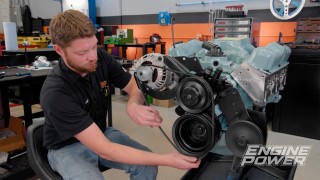
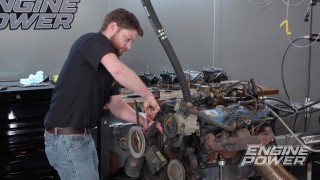
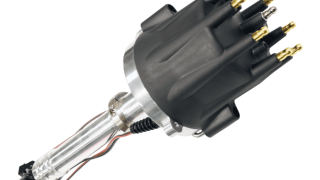
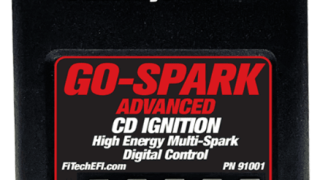
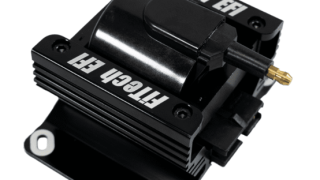
[Pat] We are getting dangerously close to getting this WSeries onto the dyno, and after we lay down a small bead of rtv on the China walls with the Edelbrock intake gaskets we can set the dual quad intake manifold into place. This was also expertly ported by Lamar Walden Automotive and is tightened down with a full set of beautiful ARP stainless bolts. [Frankie] After pre-lubing the valvetrain with spray lube these Edelbrock finned aluminum 409 valve covers can go with ARP studs and be tightened down. Then we can move on to the front end, which is a good looking but simple setup we got from Summit Racing. It is a chrome V-belt pulley system for a conventional big block Chevy but we are using a WSeries Edelbrock water pump with some hand made three-sixteenths inch spacers for proper alignment. [Pat] Our front drive is looking really good but it is pretty spartan and that is by design. The next thing we need is a way to charge the battery. So we went down to Autozone and picked up a brand new Duralast Gold alternator. This is really nice because it is made 100 percent new parts and triple tested when it is being put together. This is for a hot rod. So it simply has one hot wire running from the back of the alternator to the battery system. Duralast engineers their alternators to meet or exceed oem standards and that means fit, finish, and most importantly performance. This is a 94-amp one wire alternator. The coolest thing about this is it is fully chrome. So it matches our front pulleys. We're gonna get this on and get some belts on it, which I think are coming later. The alternator is mounted with a Summit billet bracket kit for a conventional big block Chevy that rigidly mounts it off the front of the block and has a hex turnbuckle for easy belt tensioning. [Frankie] We have our 509 set up in the dyno cell and she is looking fine. Now it's time to show you how we're gonna bring this engine to the 21st century and that is with FiTech's Go-EFI 2x4 throttle body fuel injection system. We've ran this before on another vintage build, our FE. Quick specs for you. It has two throttle bodies that flow 1,700 cfm. We have a master that has our ecu, sensors, and everything in it and then we have an air valve with a set of injectors. So we have eight injectors total, which is enough for around 625 horsepower. It comes with all the harnesses and everything you need including the handheld we can use to set up all our initial programming and do adjustments to our tune-up later on. We're gonna pair that with their complete ignition system including their adjustable big block Chevy distributor with dual magnetic pickups, their Go-Spark capacitive discharge ignition box, which not only runs the coil but has a bunch of cool features, and we are pairing that with their matching FiTech coil. There's a lot of stuff to get installed and set up. The Fitech throttle bodies go right on without any modification as long as we put the master in the rear for wiring clearance. The throttles are connected by a Summit adjustable throttle rod, which will allow us to easily sync the units after startup. [Pat] The main unit houses most of the sensors. So only one sensor that is needed to be installed is the coolant temp sensor, and it comes with a three-eighths to one half inch NPT reducer to fit our intake. The locked out FiTech distributor for a conventional big block Chevy can drop in next with this custom spacer we made to make the collar height work. Once it's set and snugged down the cap and custom FiTech ceramic boot wires can be snapped on and we are ready to fire this baby up. [Frankie] Coming up, we have our monster WSeries on the dyno and we're gonna see what this thing can put down.
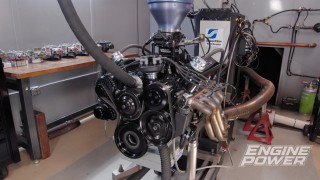
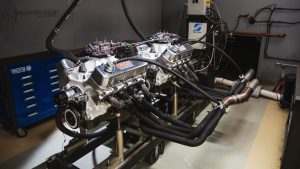
[ engine starting ] [Pat] The 509 is up and running. Smooth as glass. There's a lot we have to do to this before we start making power pulls. We do our ubiquitous keeps its guts run. So we get the engine running. We do a few preliminary things. The FiTech has to do its thing, has to get some fuel through, start learning, and so far so good. [Frankie] Usually we are verifying an engine for a project or a vehicle. When we're setting engines up we're checking belts alignment. We're making sure that there's no leaks. We're using the same efi and ignition system it's gonna use in the vehicle. That way everything is tested. All the variables are eliminated. So it can just go in the vehicle, get wired up, and then we know it's gonna run perfect. [Pat] I think we're ready to rock n' roll. We're gonna start our pulls. Because it's a street engine, pump gas, hydraulic roller, mild cam. You can tell by how creamy smooth it's idling. We're gonna make the pulls between 2,500 and 6,000. [Frankie] Right now we are starting easy, 30 degrees, relatively safe on fuel. So we're at a target of 12-6. We'll make a base line hit and then we'll start making adjustments from there and see what we can pick up. [Pat] First whack at her here. [Frankie] I'll watch this. [Pat] Nice and smooth. Loads in well. Great oil pressure. Nice torque! [ engine revving ] Smooth operator. Wow, look at that! [Frankie] Starting out 595.5 pound feet at 4,200 and 569 horsepower right at 5,600. For a WSeries that's actually really solid. This is a street engine. We are leaning a little more towards lower rpm torque than higher rpm horsepower. But almost 600 pound feet, that's solid. With how safe we are there's definitely some gains to be made. Probably the first biggest one is gonna be timing. Big chamber, large bore, we're gonna be super shallow on timing. It's gonna sound crazy but I think big jump. We're at 30. Let's put four degrees in it. We are using the FiTech unit to control the timing. So we have a really nice adjustable timing control. I think we're good. [Pat] I'm ready. I'm just waiting on my tuner guy. Loads in nice and smooth. [ engine revving ] [Pat] Stack it in there nice. [ engine revving ] [Pat] That was a nice change right there. Let's see what it looks like. [Frankie] 606.5 pound feet now. Big jump. [Pat] We cracked the 600s. [Frankie] Four degrees of timing swing was a good call. So we're at 606.5 at 4,200 and 581.4 horsepower at 5,600. [Pat] That sounds great to me. It liked four. Let's put two more in it and see. We're not gonna make another big jump but a smaller jump like two we'll see what it does. [Pat] We're gonna blast it right where it is and I think this is probably gonna be our final one. [ engine revving ]
Pretty good. [Frankie] It's a marginal gain. Good gain, 608.2 and 576.6 at 5,700. I'd call that a small gain. I don't think we'd go much more like that. It's telling us we're towards the limit. If we go any farther probably gonna get close to detonation. [Pat] When the engine starts to become numb to change you're close. For all intents and purposes this is a super nice engine. [Frankie] We're done 496 that make 630s for torque with a conventional big block Chevy head. It is a little inherently better but I would say this is a solid street engine for sure. You can't beat the fact that it looks cool. [Pat] This thing's idling at 65 pounds of oil pressure. Chugging away creamy smooth. It's gonna be an excellent street engine. Great success! [Frankie] She is so fine. [Pat] Sing it! ♪ [ ] The 409 is meant to last! ♪
Show Full Transcript
[Pat] Engine Power is back on our 509 cubic W-series build and today we're getting this engine sealed up and wrapped up to head to the dyno. [Frankie] We've got a lot to finish up including the modified oiling system, ported induction package, and a sweet efi kit before we can throw the handle and see what kind of numbers this vintage looking power plant can produce. [ Music ]
Hey everyone, welcome to another awesome episode of Engine Power because today we are back on our 509 cubic inch W-series engine. This is an all aluminum hot rod engine that we are building and we're right in the middle of this. It's going extremely well. We have the short block done but today we're gonna get this wrapped up with a bunch of cool parts and get it on the dyno. [Pat] We have a lot of cool stuff to put on this thing. We have induction, ignition, efi, all kinds of good things. We're gonna get it all in, wrapped up, and tested on the dyno. But first we have a lot of work to do and to see how we got it to this part right here check this out. The base of this build is a Bill Mitchell Products all aluminum W-series block, which has improved architecture, uses a host of standard big block Chevy parts, and was bored for a 4-500 final bore size by Shacklett Automotive Machine here in Nashville. After doing some simple and easy block prep and deburring we set the main and rod bearing clearances for our application with high performance bearings and then moved on to balancing the rotating assembly on our CWT Multi-Bal 5500. [Frankie] Because of the larger bob weight we switched the engine to external balance, and using a cutoff wheel and grinder we were able to get our rotating assembly down to an extremely low imbalance tolerance without drilling any holes. After final cleaning everything we started assembly with a four inch stroke Scat crankshaft. Our custom ground billet 4-7 swap Comp hydraulic roller camshaft went in next with durations at 50 thousandths lift of 237 on the intake and 255 on the exhaust, while the lobes are set on a 114 degree lobe separation angle and the valve lift is 672 and 678, respectively. The camshaft's intake centerline was set seven and a half degrees advanced at 106.5 and then the Scat H-beam rods, Racetech pistons, and Total Seal rings were assembled and installed to round out part one. [Pat] Today we are starting out by sealing up the front end. So a gasket and some rtv make its way to the Summit Racing polished big block Chevy timing cover. We'll also install a Summit billet adjustable timing pointer for our eight inch damper so we can accurately set true tdc with our timing marks. We're in a good spot. We have the front end of the engine all sewed up. So now it's time to put on the harmonic balancer and set our true tdc. We are gonna be using a new eight inch Fluidampr. What we love about Fluidampr is the technology they put into canceling vibration. This contains a viscous fluid and that cancels out a wider range of harmonics that are potentially damaging to the engine. Elastomer balancers work the same way but that elastomer has to be rebuilt at some point. If this still has fluid in it and sealed up it is still working. This one is for our external assembly. The hub comes off and we balanced it with the crank. Fluidampr also does a great job at setting its press. These are a little over a thousandths pressed. Too much it's hard to get on. Too little it's not gonna do its job. So we're gonna get this thing on and get it set up. Always install a harmonic damper with the proper installation tool. Not a hammer or heat. If the press is set correctly the damper should go on smoothly with the right tool and can be bottomed out against the crank gear. Then we can use a deck bridge with a dial indicator to set up true tdc between our pointer and the damper for accurate ignition timing adjustments. [Frankie] With the engine flipped over we can drop on a Melling high volume oil pump with a shimmed release spring along with a Milodon pick up. An ARP stud secures it and is torqued to 65 pound feet. Beads of rtv are placed at the corners of the pan rails and the parting lines between the parts before a Summit Racing one piece oil pan gasket is laid into place. The pump pickup matches this Milodon big block Chevy oil pan for Chevy passenger cars and it can go right on since we already verified pickup to pan clearance. It is tightened down to the compression stops with an ARP stainless steel oil pan bolt set. [Pat] Now that the bottom end is sealed up we can splash some assembly oil onto the lifter bores and then these LS tie bar Evolution lifters from Comp Cams can slide in. These are a cartridge style hydraulic roller lifter for tighter tolerances and this block is designed to use the LS style lifters for proper spacing and oil band clearance. You can install these lifters after the head but we thought it would be easier if they went in first. These custom made head gaskets from Cometic are WSeries specific and have a 4-520 bore with a tight 27 thousandths compressed thickness and they are a multi-layer steel design for improved sealing. [Frankie] The heads are Edelbrock aluminum castings from Summit Racing Equipment, which are already a huge improvement over the stock ones but for this big displacement build we decided we needed more. So we reached out to the 409 experts, Lamar Walden Automotive, and put them through their porting service that ups the intake flow around 70 cfm. Perfect for high performance builds like this one. The ARP head studs that clamp them down are torqued in three stages from the inside out to 80 pound feet. If you notice we removed the rocker studs when installing the heads and the rocker studs that were supplied with the heads we noticed were a bit short on thread engagement with the polylock when we were checking for push rod length. So we have a brand new set from ARP. These are their Pro Series rocker studs. So they are made from 8740 chromoloy material. These have a tensile strength of around 190,000 psi. An extremely strong fastener. They have the correct effective length at two inch 100 thousandths, and they even have a cool feature that ARP designed where they have a large radius right above the hex. That helps improve the strength of the fastener and reduce deflection because we don't want that being introduced into the valvetrain. If you were gonna install these where the threads go into the intake port you want to make sure you use their thread sealer on the coarse threads but in our application we have blind holes completely. So we're gonna use their ARP Ultra Torque Fastener Assembly Lubricant. Get these prepped and get them installed with our guide plate. [Pat] The rocker studs are threaded into the head with the guide plates in place. Then after setting the plate's position to center up the rocker tips on the valve stems the studs are snugged down and then torqued to ARP spec of 45 pound feet. The push rods are a three-eighths design from Trick Flow and are specific lengths for proper rocker arm geometry with the intakes at 8-250 long and the exhaust being 8-600 long. The rockers are a set of Comp Cams' big block Chevy Pro Magnum 1.7 ratio steel rockers and the lifter pre-load is set to one half turn past zero lash on the polylocks. They're installed on each cylinder at tdc and following firing order, which is 1-8-7-3-6-5-4-2 with our cam. We are all about horsepower. So next up we take a deep dive into one of the most powerful motorsports vehicles there is, a multi-engine pulling tractor. [Frankie] Steve Bunnage brings his super modified tractor in so we can check out how four engines, 2,100 cubic inches, and 10,000 horsepower comes together and heads down the track.
[Pat] What is better than one 526 inch alcohol blown Hemi? Four of them! [Frankie] We're talking about thousands of horsepower. [Pat] Steve, Pat Topolinski. [Frankie] Thanks for coming in Steve. [Steve] Thank you for having me. [ engines revving ] [Frankie] We've wanted to get one of these in the shop for I don't know how long. [Pat] We've been trying to do this for a long time and we're so happy you got this thing squeezed in here. We can't wait to hear about it. [Steve] It was a tight fit but I'm glad to get it down here with Hot Shot's Secret. They asked me to come down to help them out and I'm pleased to do it. [Pat] Tell us a little bit about the legacy. You've been involved in tractor pulling a long time. Tell us a little bit about that. [Steve] My dad started back in the '70s. It's been 50-something years. He started out with two motors and at the very last, on the front of my tractor there, he built one with eight carburetor motors on it. [Pat] That is the coolest picture I've seen on a tractor ever. These are alcohol blown Hemis, 526 inches. Tell us all about them and why you have four. [Steve] The four is because of the class. You can run four with 871 blowers on it or you can put bigger chargers on it in the class I run. Or if you can make weight you can put five. They motors are Sassy's SRE racing motors from John Card and SSI superchargers. It's on a new chassis. This is the tenth edition of It Takes a Lickin'. Tim Ingler built this chassis. He built the gearboxes, and then we built this one here in 2023. [Frankie] I know you're in town for an event here in Tennessee, in Chapel Hill. What classes do you run with this tractor? [Steve] Mostly this is a modified because of the 871 blowers. I usually run in the Grand National Mod class or the Hot Shot Secret Pro Pulling League with four motors. You can run four motors with 8s or you run three with 14s. This weekend is the NTP Unlimited class and you can run whatever you can make weight. You can run screws. You can run five motors. Whatever you can put in it as long as you weigh under 8,000 pounds. You can't go over 8. It's competitive. I won't dominate because I'm low on horsepower but sometimes the track's in my favor too. I can always sneak up and get half class maybe. [Pat] Low horsepower's kind of a relative number because how much power do one of these make a piece? [Steve] One of these is making 2,500 a piece. 10,000 total. The ones that have the bigger chargers on it they'll make 12,000 or more than that. Sometimes it's not all horsepower, it's gear ratio and tires that hook to the track. [Frankie] What size are these tires? What's the actual dimensions on them and where the heck do you get them? [Steve] They started out a long time ago just Ag tires with big long lugs on them and cut them down. Nowadays a company like Mitas actually makes them for pulling. They are a chevron cut. They've got no tread on them and you can cut any tread you want. They're a 30.5 tire and they make them not just for this but for other classes too. [Frankie] The wheel speed on something like this when you're trying to make a pull and going down might not be moving relatively that fast but the wheel speed on these things is crazy. [Steve] If you have a good run you're probably running 30 to 35 miles an hour mid track but the tires are spinning 150. [Frankie] That's a lot of speed for you to be less than a foot from them. [Steve] That's why you've got all that protection on there. Hope everything stays where it's supposed to be. [Frankie] You guys are at the extreme of horsepower levels, loads, and things like that. So that partnership with Hot Shots is probably critical to make sure your stuff is living and you can run it 25 passes a year or more. [Steve] Yeah, they're good with us. When I got them I talked to them. They're good stuff. I said, let's try it. The first pass down the track I told them. If the motor stays together we know it's all good because I ain't changed oil for 20-something years and it worked. A lot of this stuff is over the road trucks and stuff. It's a proven fact. We use it in our truck in the hauler coming up and down the road hauling this tractor around. It's actually beneficial, and it helps mileage, and the injectors, and it runs better. [Pat] Agriculture equipment included. [Steve] We put it in our sprayer, combines, and tractors like that. It's for anything. It's not just for over the road and not just motorsports. This Everyday Treatment it's for anything with a diesel motor on it. It will work! [Frankie] Steve we really appreciate you bringing this in. We're hoping to see you do some good pulls this weekend down at Chapel Hill. [Steve] Appreciate it, thank you! [Pat] We'll be rooting for you in the stands. [Steve] I might be low horsepower but like the name, Takes a Lickin'. Dad's tractor was called Keeps On Tickin'. Everybody said, what'd you name that for? He'd say well, I never give up. It takes a lickin' but it keeps on going. [Pat] We appreciate it. [Steve] Thank you! [Pat] Coming up next we wrap up this vintage looking but high tech WSeries and see what it makes on the dyno.
[Pat] We are getting dangerously close to getting this WSeries onto the dyno, and after we lay down a small bead of rtv on the China walls with the Edelbrock intake gaskets we can set the dual quad intake manifold into place. This was also expertly ported by Lamar Walden Automotive and is tightened down with a full set of beautiful ARP stainless bolts. [Frankie] After pre-lubing the valvetrain with spray lube these Edelbrock finned aluminum 409 valve covers can go with ARP studs and be tightened down. Then we can move on to the front end, which is a good looking but simple setup we got from Summit Racing. It is a chrome V-belt pulley system for a conventional big block Chevy but we are using a WSeries Edelbrock water pump with some hand made three-sixteenths inch spacers for proper alignment. [Pat] Our front drive is looking really good but it is pretty spartan and that is by design. The next thing we need is a way to charge the battery. So we went down to Autozone and picked up a brand new Duralast Gold alternator. This is really nice because it is made 100 percent new parts and triple tested when it is being put together. This is for a hot rod. So it simply has one hot wire running from the back of the alternator to the battery system. Duralast engineers their alternators to meet or exceed oem standards and that means fit, finish, and most importantly performance. This is a 94-amp one wire alternator. The coolest thing about this is it is fully chrome. So it matches our front pulleys. We're gonna get this on and get some belts on it, which I think are coming later. The alternator is mounted with a Summit billet bracket kit for a conventional big block Chevy that rigidly mounts it off the front of the block and has a hex turnbuckle for easy belt tensioning. [Frankie] We have our 509 set up in the dyno cell and she is looking fine. Now it's time to show you how we're gonna bring this engine to the 21st century and that is with FiTech's Go-EFI 2x4 throttle body fuel injection system. We've ran this before on another vintage build, our FE. Quick specs for you. It has two throttle bodies that flow 1,700 cfm. We have a master that has our ecu, sensors, and everything in it and then we have an air valve with a set of injectors. So we have eight injectors total, which is enough for around 625 horsepower. It comes with all the harnesses and everything you need including the handheld we can use to set up all our initial programming and do adjustments to our tune-up later on. We're gonna pair that with their complete ignition system including their adjustable big block Chevy distributor with dual magnetic pickups, their Go-Spark capacitive discharge ignition box, which not only runs the coil but has a bunch of cool features, and we are pairing that with their matching FiTech coil. There's a lot of stuff to get installed and set up. The Fitech throttle bodies go right on without any modification as long as we put the master in the rear for wiring clearance. The throttles are connected by a Summit adjustable throttle rod, which will allow us to easily sync the units after startup. [Pat] The main unit houses most of the sensors. So only one sensor that is needed to be installed is the coolant temp sensor, and it comes with a three-eighths to one half inch NPT reducer to fit our intake. The locked out FiTech distributor for a conventional big block Chevy can drop in next with this custom spacer we made to make the collar height work. Once it's set and snugged down the cap and custom FiTech ceramic boot wires can be snapped on and we are ready to fire this baby up. [Frankie] Coming up, we have our monster WSeries on the dyno and we're gonna see what this thing can put down.
[ engine starting ] [Pat] The 509 is up and running. Smooth as glass. There's a lot we have to do to this before we start making power pulls. We do our ubiquitous keeps its guts run. So we get the engine running. We do a few preliminary things. The FiTech has to do its thing, has to get some fuel through, start learning, and so far so good. [Frankie] Usually we are verifying an engine for a project or a vehicle. When we're setting engines up we're checking belts alignment. We're making sure that there's no leaks. We're using the same efi and ignition system it's gonna use in the vehicle. That way everything is tested. All the variables are eliminated. So it can just go in the vehicle, get wired up, and then we know it's gonna run perfect. [Pat] I think we're ready to rock n' roll. We're gonna start our pulls. Because it's a street engine, pump gas, hydraulic roller, mild cam. You can tell by how creamy smooth it's idling. We're gonna make the pulls between 2,500 and 6,000. [Frankie] Right now we are starting easy, 30 degrees, relatively safe on fuel. So we're at a target of 12-6. We'll make a base line hit and then we'll start making adjustments from there and see what we can pick up. [Pat] First whack at her here. [Frankie] I'll watch this. [Pat] Nice and smooth. Loads in well. Great oil pressure. Nice torque! [ engine revving ] Smooth operator. Wow, look at that! [Frankie] Starting out 595.5 pound feet at 4,200 and 569 horsepower right at 5,600. For a WSeries that's actually really solid. This is a street engine. We are leaning a little more towards lower rpm torque than higher rpm horsepower. But almost 600 pound feet, that's solid. With how safe we are there's definitely some gains to be made. Probably the first biggest one is gonna be timing. Big chamber, large bore, we're gonna be super shallow on timing. It's gonna sound crazy but I think big jump. We're at 30. Let's put four degrees in it. We are using the FiTech unit to control the timing. So we have a really nice adjustable timing control. I think we're good. [Pat] I'm ready. I'm just waiting on my tuner guy. Loads in nice and smooth. [ engine revving ] [Pat] Stack it in there nice. [ engine revving ] [Pat] That was a nice change right there. Let's see what it looks like. [Frankie] 606.5 pound feet now. Big jump. [Pat] We cracked the 600s. [Frankie] Four degrees of timing swing was a good call. So we're at 606.5 at 4,200 and 581.4 horsepower at 5,600. [Pat] That sounds great to me. It liked four. Let's put two more in it and see. We're not gonna make another big jump but a smaller jump like two we'll see what it does. [Pat] We're gonna blast it right where it is and I think this is probably gonna be our final one. [ engine revving ]
Pretty good. [Frankie] It's a marginal gain. Good gain, 608.2 and 576.6 at 5,700. I'd call that a small gain. I don't think we'd go much more like that. It's telling us we're towards the limit. If we go any farther probably gonna get close to detonation. [Pat] When the engine starts to become numb to change you're close. For all intents and purposes this is a super nice engine. [Frankie] We're done 496 that make 630s for torque with a conventional big block Chevy head. It is a little inherently better but I would say this is a solid street engine for sure. You can't beat the fact that it looks cool. [Pat] This thing's idling at 65 pounds of oil pressure. Chugging away creamy smooth. It's gonna be an excellent street engine. Great success! [Frankie] She is so fine. [Pat] Sing it! ♪ [ ] The 409 is meant to last! ♪
Engine Power Featured Projects
Engine Power Builds


Want more content like this?
Join the PowerNation Email NewsletterParts Used In This Episode






Summit Racing
Edelbrock Victor Series High Performance Street Mechanical Water Pump
Bill Mitchell Products
Aluminum W-Series Engine Block Chevy 409
Cometic Gasket, Inc.
Cometic W-Series Head Gasket
Comp Cams
Custom Billet Hydraulic Roller Camshaft
CWT Industries
Multi-Bal 5500
Edelbrock
COMP Cams Evolution Retro-Fit Hydraulic Roller Lifters
Edelbrock
Edelbrock Classic Series Valve Cover
Edelbrock
Performer RPM Dual-Quad Large Port Intake Manifold
Edelbrock
W-Series Intake Manifold Gaskets
Lamar Walden Automotive Inc.
Cylinder Head & Intake Manifold Porting
RaceTec
AutoTec Chevy 348/409 Forged Piston Set
RaceTec
SCAT Big Block Chevy 454 Crankshaft
RaceTec
SCAT Chevy Big Block Premium Pro Sport 4340 Forged H-Beam Connecting Rods
Shacklett Automotive Machine
Engine Hone & Bore