Air vs. Nitrogen in Your Tires: Which One Should You Run?
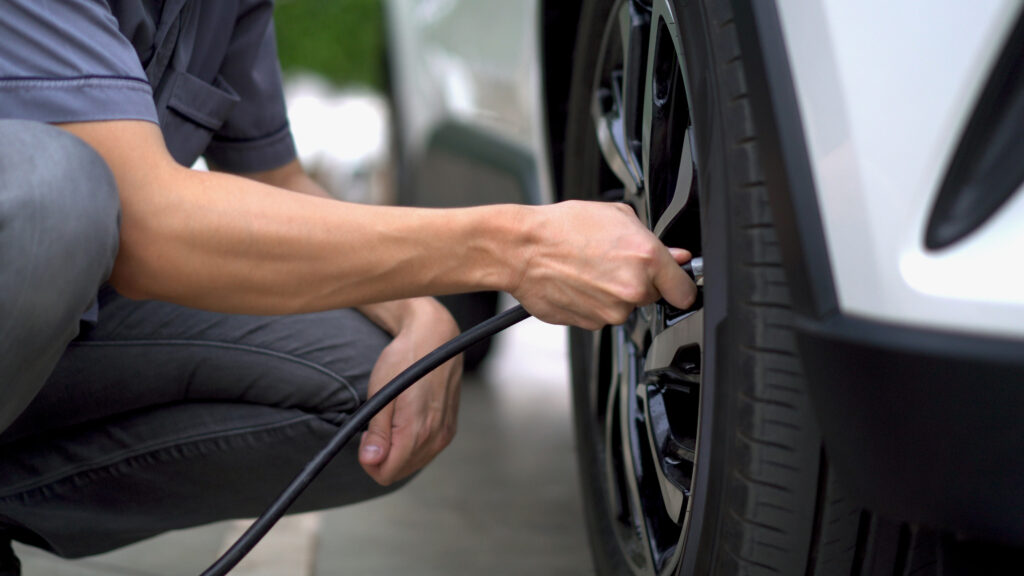
When it comes to tires, gearheads usually focus on rubber compound, tread pattern, or wheel size. But one of the most overlooked aspects of tire performance is what you’re actually filling them with. For most people, it’s regular compressed air from the gas station. But walk into a dealership or performance shop, and you’ll likely hear about nitrogen. So, is there really a difference, or is it just hype? Let’s break it down in true enthusiast fashion.
Table of Contents
What’s in Regular Air?
When you grab the air hose at the local station, you’re not just putting in “pure” air. Atmospheric air is made up of about 78% nitrogen, 21% oxygen, and 1% trace gases like carbon dioxide, argon, and water vapor. That means even standard air is mostly nitrogen to begin with. The difference is, compressed shop or gas station air often carries extra moisture, depending on the quality of the compressor and filter system. That water vapor can change tire pressure as temperatures fluctuate, which is why your dash light loves to come on in cold weather.
What Makes Nitrogen Different?
When you fill a tire with pure nitrogen, you’re cutting out most of that oxygen and moisture. Nitrogen molecules are slightly larger than oxygen molecules, which means they seep out of the tire’s rubber structure more slowly. The result? Tire pressures stay more stable over time. Race teams have been using nitrogen for decades because consistent pressures mean predictable handling and performance. For daily drivers, this translates into fewer fluctuations in tire pressure when the seasons change or when you’re hammering down the interstate on a hot day.
Pros of Nitrogen in Tires
Pressure Stability: Because nitrogen expands and contracts less with temperature swings, your PSI readings don’t jump around as much.
Less Moisture: A drier fill reduces the risk of corrosion on TPMS sensors and the inside of your wheels.
Slower Leak-Down: Nitrogen tends to hold pressure longer, so you won’t be topping off as often.
Performance Factor: On the track, stable tire pressures can be the difference between a solid run and a sloppy one.
Cons of Nitrogen in Tires
Convenience: Not every gas station has a nitrogen pump, so topping off isn’t as easy as grabbing the air hose.
Cost: While some shops throw in nitrogen for free with new tires, others charge per fill or per tire.
Marginal Gains for Daily Driving: For the average commuter car, the benefits might not outweigh the cost or hassle.
Still Loses Pressure: Tires filled with nitrogen will still leak over time. It just happens a little slower than with air.
So, Which Should You Choose?
For daily drivers, regular compressed air works just fine. The key is checking your tire pressures at least once a month and before long trips. That habit alone will save more tires (and fuel) than the type of gas you use. On the other hand, if you’re running a high-performance build, towing heavy loads, or chasing lap times, nitrogen can give you more consistent pressures and peace of mind.
Think of it this way: air is the budget-friendly option that works for everyone, while nitrogen is the premium upgrade that offers advantages in certain scenarios. It won’t magically transform your ride, but it can give you that extra edge in consistency.
Final Thoughts
Whether you roll with air or nitrogen, the real winner is proper maintenance. Keep your tires inflated to the recommended PSI, rotate them regularly, and inspect them for wear. At the end of the day, the rubber is the only thing connecting your ride to the pavement. And whether you’re cruising Main Street or ripping down the strip, nothing beats the confidence of a properly inflated tire.
Want to read more articles like this?
Join the PowerNation Email NewsletterRead More from PowerNation